What is Thai massage?
Compare traditional Thai massage and Thai oil massage, see what to wear and ask before a session, and find Amsterdam salons that offer each style.
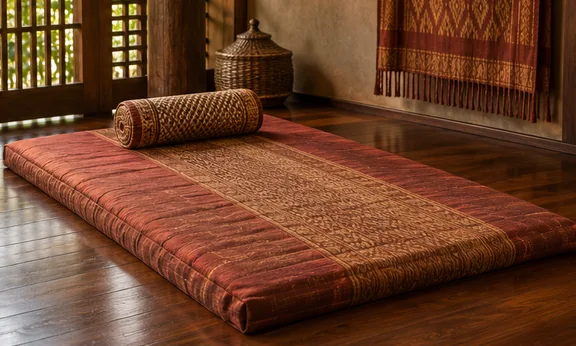
Traditional Thai massage combines pressure with guided movement. In a typical mat session you stay clothed while a therapist helps you change position, presses along different areas and guides you through stretches. In Amsterdam, the same salon may also advertise Thai oil massage on a table. The two bookings can feel quite different. Ask how the appointment is set up before you choose, especially if you have a preference about clothing, stretching, oil or how active you want to be.
The tradition behind the treatment
UNESCO describes Nuad Thai as a form of traditional Thai healthcare. Its description covers manipulation using the hands, elbows, knees and feet, as well as the cultural ideas behind the practice. That context helps explain why the treatment involves more than a sequence of hand strokes. The methods and traditions a therapist learned can affect how they work, even when two menus use the same English title. Ask the salon to describe its session in everyday terms before you book.
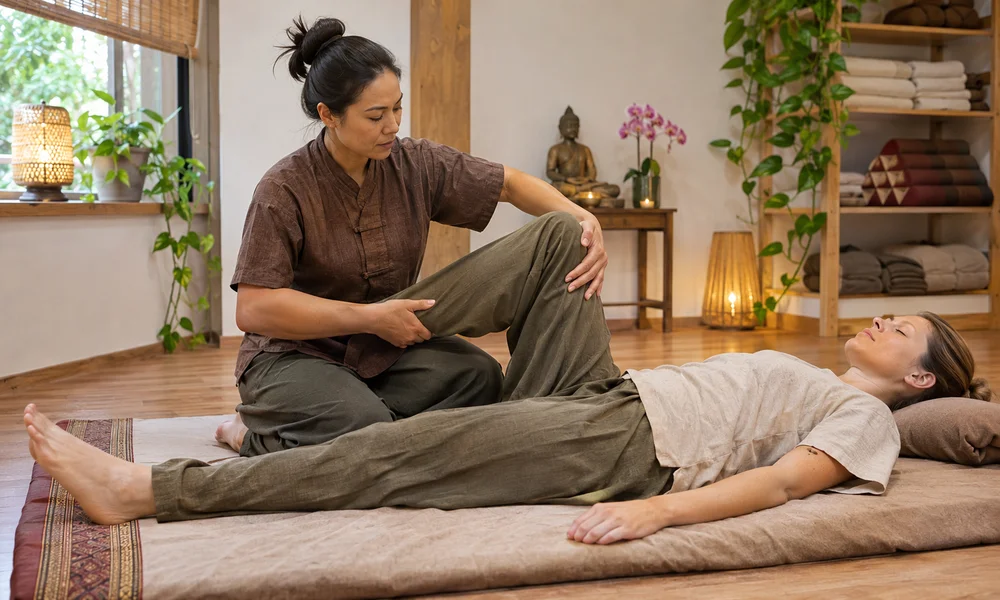
In a traditional appointment the mat gives both people room to move. A therapist may ask you to turn on your side, sit, or move an arm or leg into a different position. They can adapt the amount of movement to what you tolerate. Pressure can come in a rhythm, with pauses as the therapist moves from one area to the next. Some sessions are slow and methodical. Others include more stretching. You can ask how much the therapist plans to move you and say when a movement reaches your comfortable limit.
Traditional Thai massage versus Thai oil massage
A traditional session is commonly performed through loose clothing, without oil. If you prefer to stay dressed and like the idea of being guided through a series of movements, ask specifically for mat-based Thai massage. The therapist may provide clothing or expect you to bring something you can move in. Loose trousers and a top that stays in place are a practical choice to check with the salon in advance.
Thai oil massage commonly takes place on a table with towels or sheets. Oil lets the therapist use gliding strokes, and the session can still include pressure or some stretching. The balance varies. Some salons use the Thai oil label for a gentle session, while others offer a firm version by default. If an oil-based treatment is what you want, ask whether you’ll stay on the table throughout and how much of the session involves assisted movement. For a slower session with very little movement, see our guide to relaxation massage.
A combination massage is another common menu entry. It may mix oil work with stretches, or alternate two techniques during the appointment. Ask which parts are done with oil and whether you can reduce or skip any stretches. Some studios also list herbal compress treatments. Supplies, temperature and fragrance can vary, so check what is included if you’re sensitive to heat or scent.
How to prepare for the first visit
Check the booking confirmation for the branch address and arrival time. If the menu is vague, send one short question before paying. “Is this the clothed massage on a mat, and can I have lighter stretching?” covers two choices that are hard to infer from the name alone. If you’re choosing oil massage, ask about draping and whether there are fragrance-free options. On arrival, tell the therapist about movements you want to skip and any area you would like them to leave alone.
During a stretch, describe how it feels in the moment. “Hold there” or “less movement on this side” is enough. You can also ask to switch positions or spend more time on one area. There is no flexibility test to pass before booking. For a recent injury, a medical condition or a question about whether an assisted stretch is appropriate, check with a qualified healthcare professional first. The NCCIH massage therapy overview discusses risks and when to seek professional advice.
Compare the time and price on the same terms
When you compare prices, check that you’re looking at the same duration and type of session. A shorter booking could be for a particular area, while a longer appointment may cover more of the body or allow slower transitions between movements. If you’re curious about both pressure and stretching, a full-length first visit gives you more room to notice which parts you enjoy. Check whether changing time is part of the booking and how the salon handles a late arrival.
If you want sustained pressure on one area, ask how much of that work your Thai massage includes. A therapist at the same salon might recommend something from its deep tissue or focused massage menu after hearing what you want. If you’re going with a partner, check whether the salon has two therapists and space to do both sessions simultaneously. Two appointments listed at the same time can still take place in different rooms.
Where to book Thai massage in Amsterdam
In Zuid, our recommendation for a salon with several pressure choices is Laila Wellness. Its menu lists Thai oil massage alongside calmer and firmer options. In Centrum, Na Thai Spa on Leidsegracht lists traditional Thai massage as well as table treatments such as Swedish massage. At The Spa Amsterdam in Oud-West, the menu includes traditional Thai massage and a Thai herbal compress massage. Contact the salon to confirm the setup for the exact booking you choose.
To compare more places, open the Amsterdam Thai massage directory and filter by area. Look for a menu that answers your practical questions before it describes how you’re supposed to feel. A good booking choice comes down to a few details you can verify. Decide between mat and table, check the pressure and clothing arrangements, and choose a time and branch you can reach without rushing.
If the menu is in Dutch
Traditionele Thaise massage means traditional Thai massage. Thaise oliemassage means Thai oil massage. Combinatiemassage indicates a combination, which is worth asking about because the mix is specific to the salon. Kruidenstempelmassage refers to work with herbal compresses. Look at the treatment text and the confirmation you receive when booking. If you’re comfortable speaking English and want to discuss pressure or mobility in detail, ask which language the therapist will use before making the appointment. Short, direct questions usually work well. Confirm whether the listed start time is when you should arrive or when the treatment itself begins. That distinction can matter if you’ll need a few minutes to change into the clothing offered for a mat session.