What is a relaxation massage?
Learn what a relaxation massage feels like, how it compares with Swedish and deep tissue massage, and where to book one in Amsterdam.

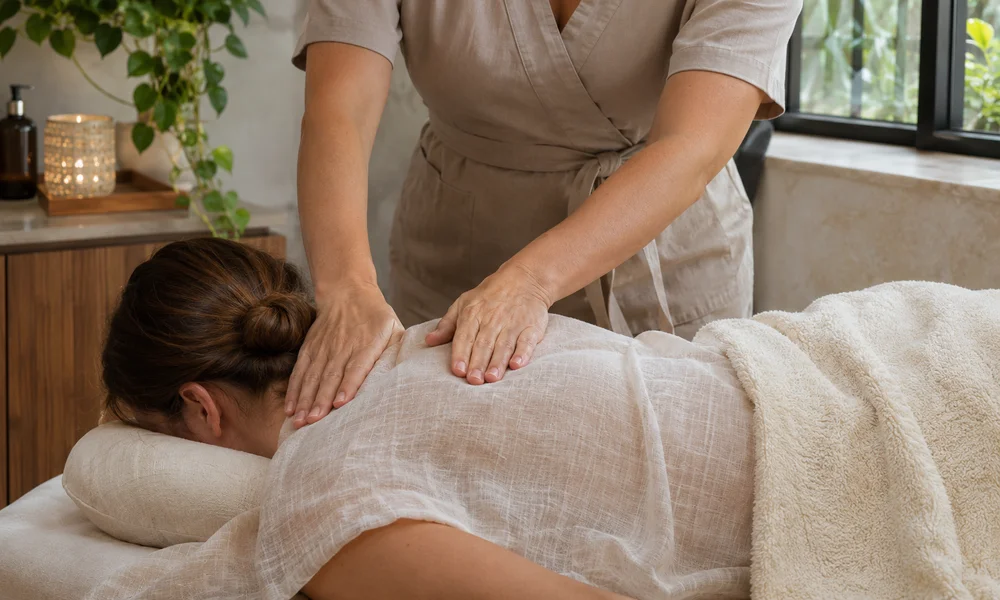
A relaxation massage is a table massage built around a comfortable pace and pressure. It usually involves broad strokes, gentle kneading and attention to several parts of the body. The details vary by salon. One therapist might spend a long time on your back and shoulders, while another may offer a full-body session with time for the hands, feet or scalp. If you’re booking after a long journey or want a quieter appointment in Amsterdam, the easiest starting point is to ask for the pressure and areas you’d like.
What relaxation massage means on a menu
Relaxation is a goal as much as a treatment name. In Amsterdam you’ll see ontspanningsmassage on Dutch menus, along with names like gentle oil massage and classic Swedish massage. Swedish massage often uses long strokes and kneading and can be offered at a relaxing pace. A salon may also sell a separate aromatherapy massage, where the choice of scented oil is part of the booking. Read the description alongside the name. A short paragraph explaining pressure, coverage and whether oil is used will tell you more about the appointment than the label alone.
When a menu says “full body,” ask what the therapist usually covers. The answer might be back, legs, shoulders and arms, with the head or feet on request. You can choose to skip any area or ask for more time on one. If you want a quiet appointment, say so at the beginning. It’s fine to ask for very little conversation while keeping the door open for quick check-ins.
What happens when you arrive
Expect a short conversation about what you’d like from the session. Your therapist might ask about pressure, any tender areas or what you would prefer to avoid. Take a moment to get specific. “Please stay around my upper back for a while” gives the therapist something useful to work with. So does “I’d like the rest of the session to be gentle.” If you’d rather keep part of your clothing on, bring it up before the therapist steps out so you can agree on a comfortable setup.
Oil-based table massages typically involve a towel or sheet. Ask the therapist how they handle draping and which areas they plan to uncover as they work. You can request a pillow, more coverage or a different position if the face cradle or lying flat feels awkward. Once the session starts, the therapist may work in a steady rhythm and pause to check the pressure. You can speak up any time you want an adjustment, including halfway through a stroke.
How much pressure should you ask for?
Start with light to moderate pressure if you aren’t sure what you prefer. Ask for a little more once you’ve experienced the therapist’s idea of “light.” You might want a firmer touch on your shoulders and a gentler one on your legs. Tell the therapist when that’s the case. Words like “softer here” or “that pressure is comfortable” are enough to guide the session. A description of what you feel gives the therapist more information than a number on a scale that you’ve both just invented.
Bring up scent or skin sensitivities before any oil is applied. Some studios can offer an unscented product or change the treatment; check while booking if that matters to you. If you have a recent injury, surgery or another health concern, ask a healthcare professional whether massage is appropriate and tell the therapist about any relevant limits. The NCCIH overview of massage therapy has more information on general safety considerations.
Relaxation, Thai or deep tissue?
If you like stretching and an active session, see our guide to traditional Thai massage and Thai oil massage. A traditional Thai session may involve changing positions and following assisted movements. Thai oil massage often has more in common with a table appointment, but the amount of pressure and stretching varies. Ask what the studio’s version includes. A name on a menu can describe the technique, the ingredients or the feeling the salon wants you to expect.
Choose deep tissue massage when you’re interested in more sustained work on a smaller set of areas. You can still ask for the pressure to stay within a comfortable range. If you’re booking alongside another person, couples massage describes the arrangement for two guests and may include a relaxation treatment. Check the room and ask whether both guests can choose their own pressure or treatment.
How long to book in Amsterdam
About 30 minutes can work when you want a session that concentrates on a few areas, such as the back, neck and shoulders. A 60-minute booking is a practical first choice for a broader session, with time for the therapist to spend a bit longer on the area you care about. Choose a longer appointment if you enjoy a slower pace and want the therapist to have room to move through several areas. Compare what is covered before comparing the price. Two treatments with the same duration may feel quite different.
Leave some time on either side of the booking. In Amsterdam, a canal crossing or tram change can turn a short-looking trip into a rush. Check the address before heading out, particularly if a business has more than one branch. If you plan to meet a friend afterward, give yourself time to get dressed and find the meeting point. Set your phone to silent and ask the therapist to tell you when the session is wrapping up if you have an onward appointment.
Where to start looking
For a straightforward Swedish option in Oud-West, see The Spa Amsterdam and its massage menu. Across the IJ, Massage Studio Noord lists a treatment called Relaxing Spirit. If you’re in Zuid, Laila Wellness lists a calming massage and other styles you can compare. The Amsterdam relaxation massage listings let you browse more locations and check individual booking links.
Before choosing, read the salon’s latest menu and confirm how the treatment will be adapted for you. A useful booking note might say, “I’d like a gentle hour on the table, mostly back and shoulders, with unscented oil if available.” The salon can respond to that even when two of its menu entries sound similar. When you arrive, repeat the part that matters most. You’ll spend less time interpreting the menu and more time getting the session you wanted.